Tag: cybersecurity
Published on: 30 Dec 2025
Picture this: You’re lounging on the couch after a long day, casually saying “Hey Alexa, play my chill playlist,” dimming the smart lights with your voice, locking the doors from your phone, and glancing at the baby cam to check on the kids.
Life is good. Smart homes feel like the future—we’re living in it, and it’s amazing.
But here’s the uncomfortable truth: While we’ve been dazzled by voice assistants, colour-changing bulbs, and fridges that remind us we’re out of milk, most manufacturers have been racing to cram in as many shiny features as possible. Security? That’s often an afterthought, scribbled on a Post-it note marked “fix later.”
The numbers are mind-blowing: Recent forecasts put the total number of connected IoT devices exploding to around 40 billion by 2030. That’s roughly five gadgets for every person on Earth. Super convenient… until you realise that many of these devices are basically wide-open doors into your private life.

The Three Ways Your Smart Gadgets Can Turn Against You
No boring jargon here—just the scary realities:
- Someone’s watching or listening → Breaches of confidentiality. Hackers get your camera feeds, audio from your living room chats, or even your daily routines.
- Imposters sneaking in → Authentication failures. Fake devices join your network or legitimate ones get tricked into obeying the wrong master.
- Total remote takeover → Access hijacking. A stranger unlocks your doors, cranks your thermostat to arctic (or sauna) levels while you’re away, or worse.
The Most Wanted: Devices Hackers Drool Over
Recent reports paint a grim picture of the usual suspects:
- Security cameras and IP cams dominate vulnerability lists—often 40-50% of the worst flaws. You installed them to catch burglars… now they’re the ones potentially watching you.
- Routers and smart hubs (Alexa, Google Home, wireless access points) come next—around 15-20%. These are the “brains” of your home network; compromise them and the attacker owns everything.
Other frequent flyers include smart TVs, plugs, printers, and even medical IoT gear.
Real-Life Nightmares That’ll Make You Side-Eye Your Gadgets
These aren’t hypotheticals—they happened:
-
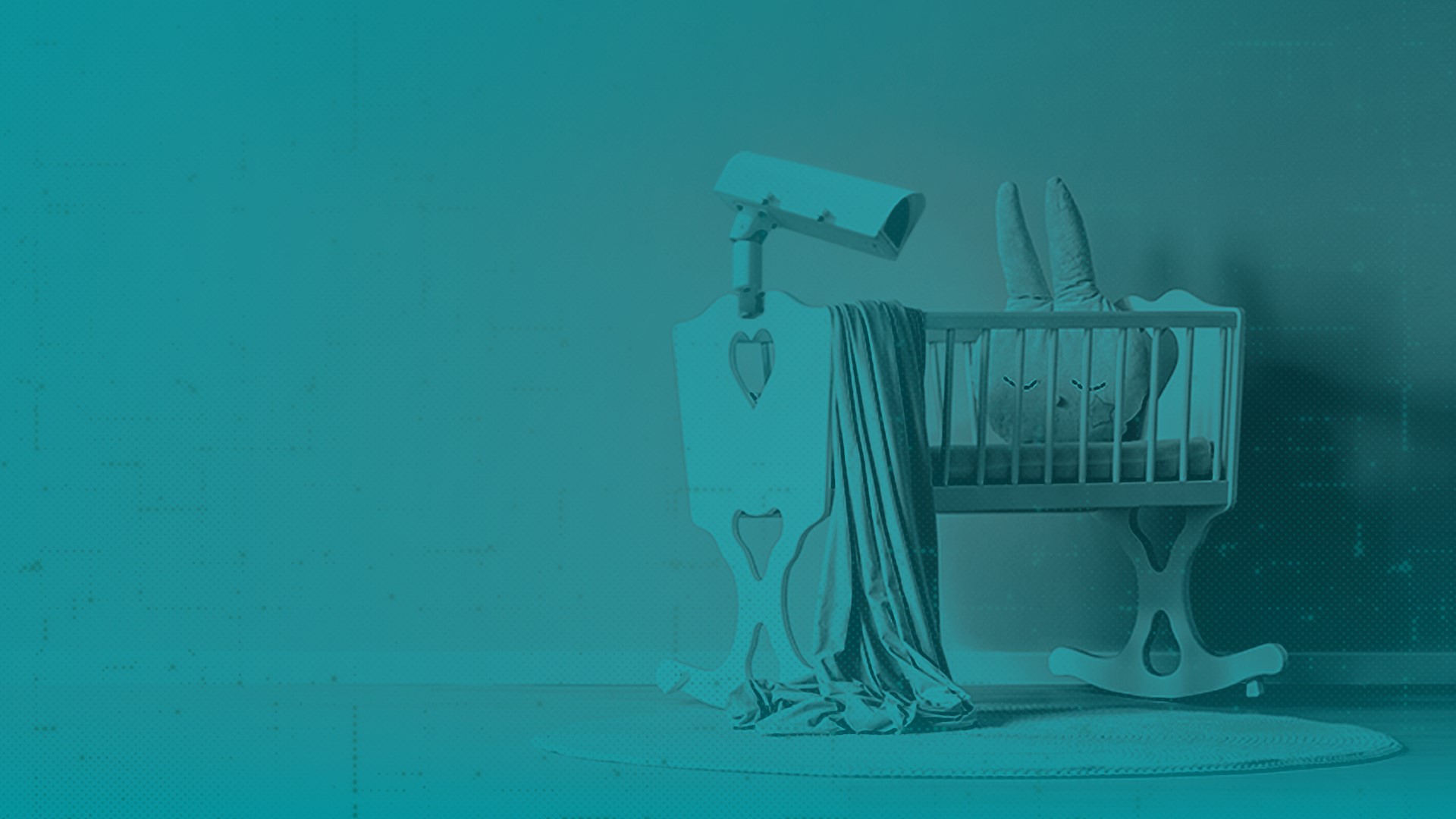
Baby monitors turned into horror shows: Multiple families have reported hackers screaming at sleeping babies through compromised monitors, moving the camera to spy, or threatening kidnapping. One infamous case involved a stranger’s voice taunting a family at night via their Nest cam.


-
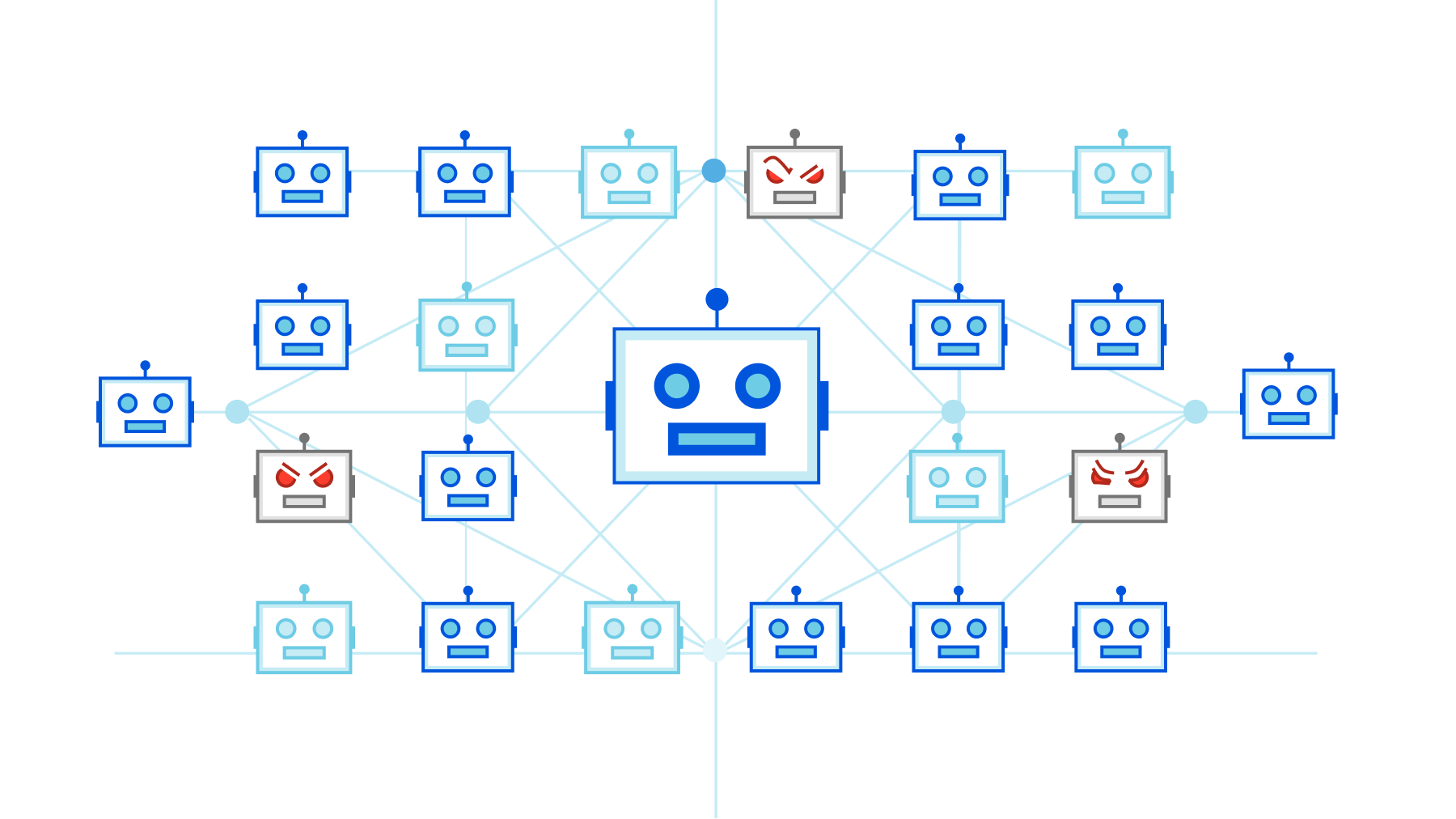
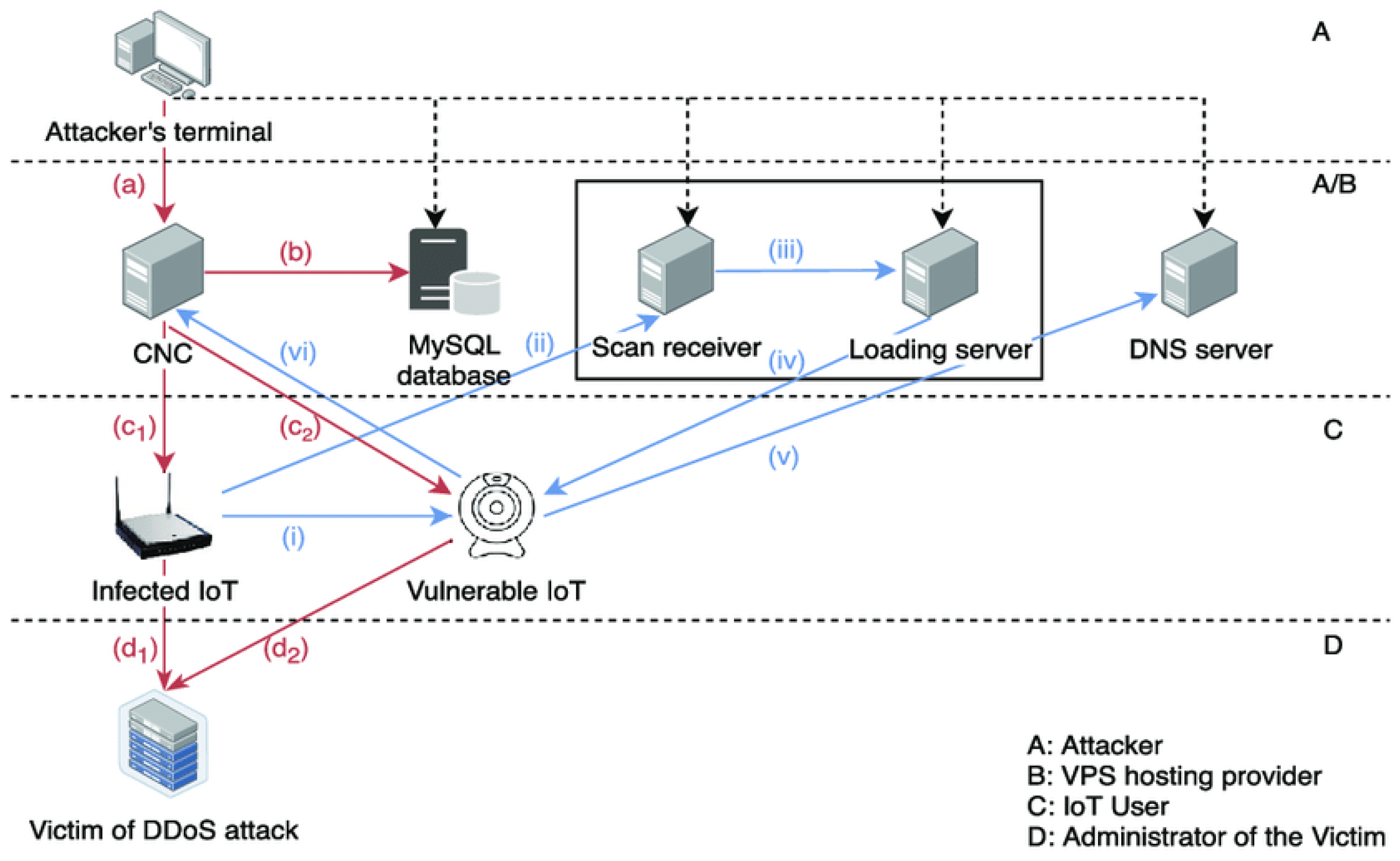
The Mirai apocalypse (2016): A botnet built from over 600,000 hijacked IoT devices (mostly cheap cameras and DVRs) launched the largest DDoS attacks ever seen. It knocked huge chunks of the internet offline—Twitter, Netflix, Spotify, Reddit—all gone for hours. The creators? Just a few teenagers exploiting devices still running factory defaults like “admin/admin.”
Why Are These Devices So Dangerously Easy to Hack?
The flaws are frustratingly basic—and persistent:
- Default passwords that everyone knows: “admin/admin”, “123456”, or even blank. Many devices ship this way, and users (or manufacturers) never change them. Lists of common IoT defaults are publicly available for anyone to exploit.
- Unencrypted everything: Shockingly, a huge portion of IoT traffic is still sent in plain text (no HTTPS). It’s like whispering secrets in a crowded room—anyone nearby (or on your Wi-Fi) can eavesdrop.
- Ancient, abandoned software: Devices often run code that’s 10-15 years old, with known vulnerabilities never patched. Manufacturers stop support after a year or two to push new models, leaving your gadget forever vulnerable.
The Sneaky Back Door: Why Your “Harmless” Fridge Is a Hacker’s Dream
That internet-connected fridge keeping your groceries fresh? It’s often the weakest link. Low-priority security means easy entry. Once inside, attackers sniff your Wi-Fi password, map your entire network, and pivot to juicier targets—your laptop with banking apps, phones with photos, or NAS drives full of memories.
It’s the cyber equivalent of sneaking in through an unlocked window in the basement and raiding the whole house.
The Wake-Up Call We All Need
I get it—I love my smart lights and voice assistant too. Who wants to stand up to turn off a switch?
But every new connected gadget is an invitation to potential chaos if we don’t treat it seriously.
Your living room is supposed to be your safe haven, not a reality show streamed to strangers.